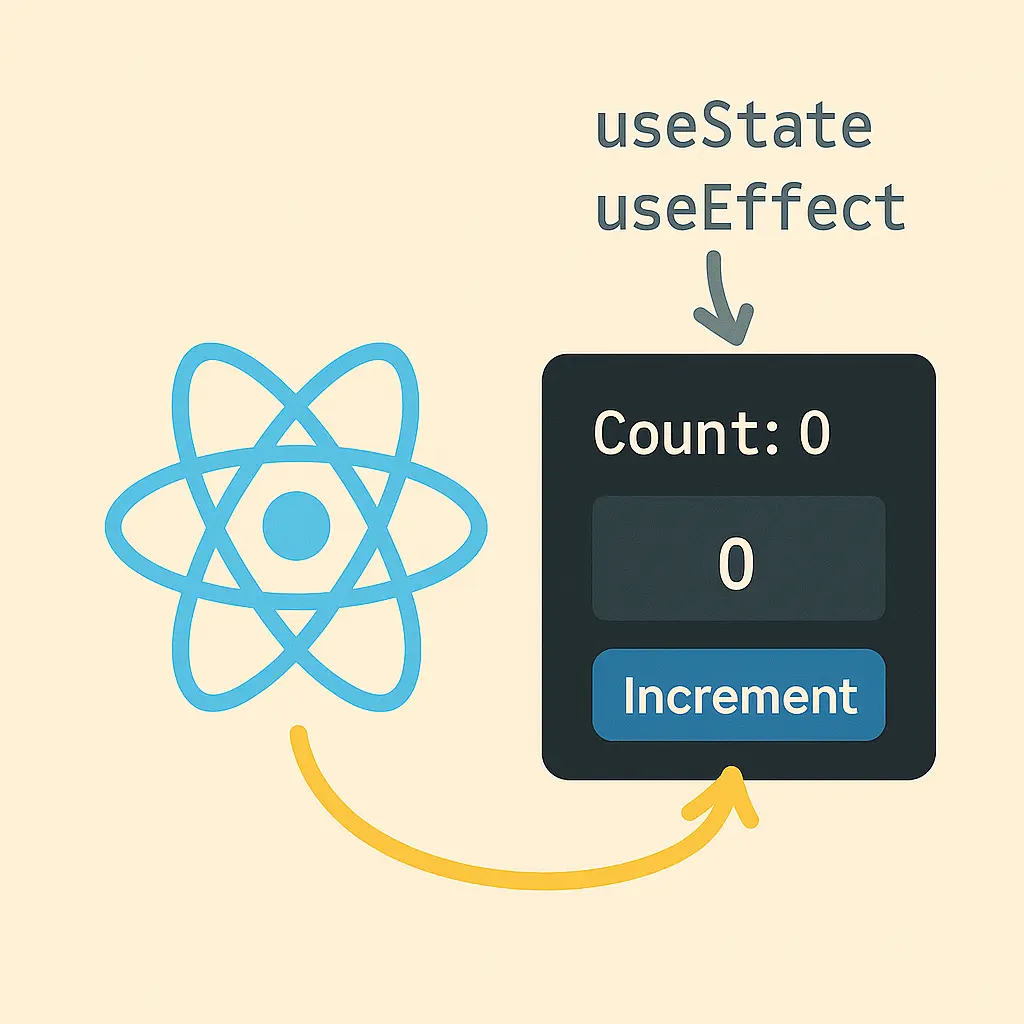
Part 1.3 — Managing State: useState, useEffect, and Data Flow
Every dynamic React app revolves around state — what the user sees, what changes, and when. In this post, you’ll master useState and useEffect, the twin pillars of reactivity.
Tech Blog · Insights & Experiments
Deep dives into code, design, and system architecture. From frontend to backend, from performance tricks to developer experience — practical notes for building better technology.

Every dynamic React app revolves around state — what the user sees, what changes, and when. In this post, you’ll master useState and useEffect, the twin pillars of reactivity.
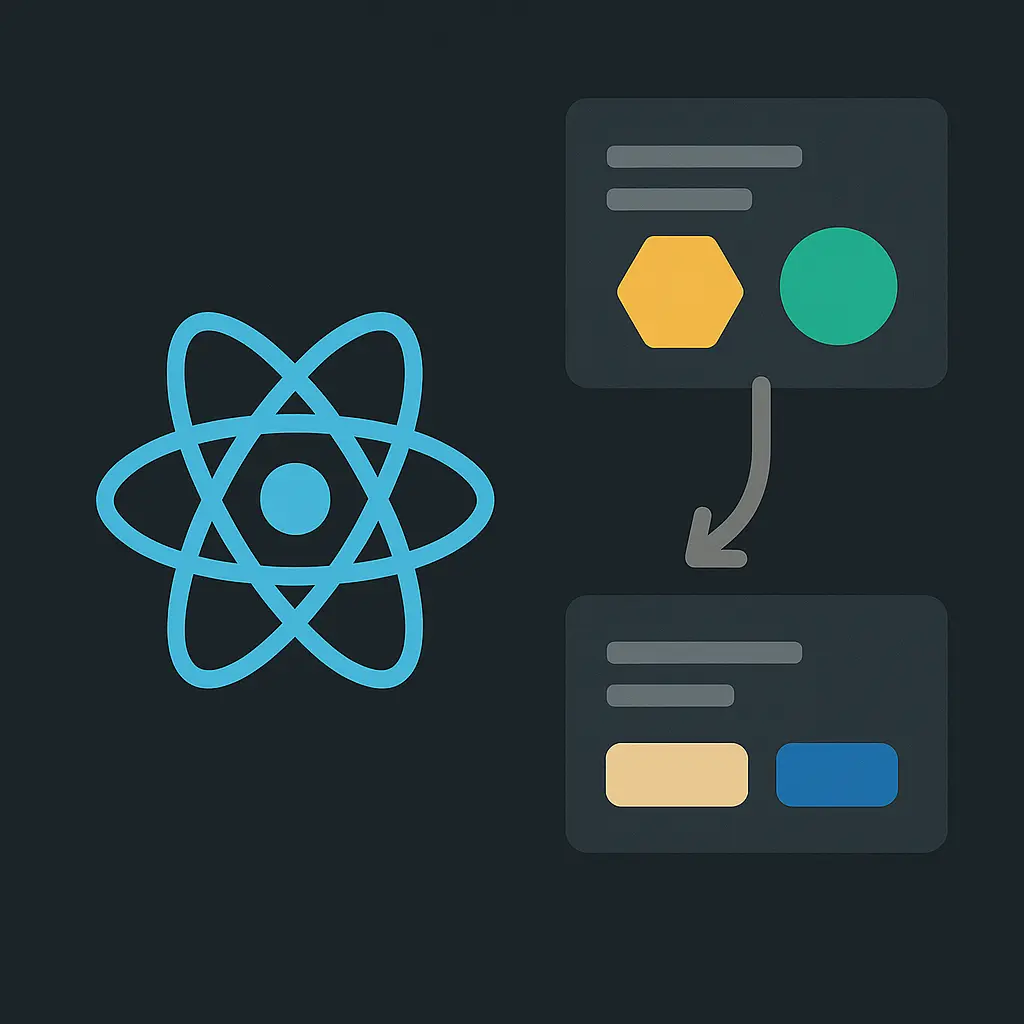
Components are the building blocks of every React application. In this post, you’ll learn how to structure, type, and reuse components safely and effectively with TypeScript.
Great developers don’t just write code — they manage it. Learn how Git and GitHub shape teamwork, history, and CI/CD integration in professional full-stack environments.
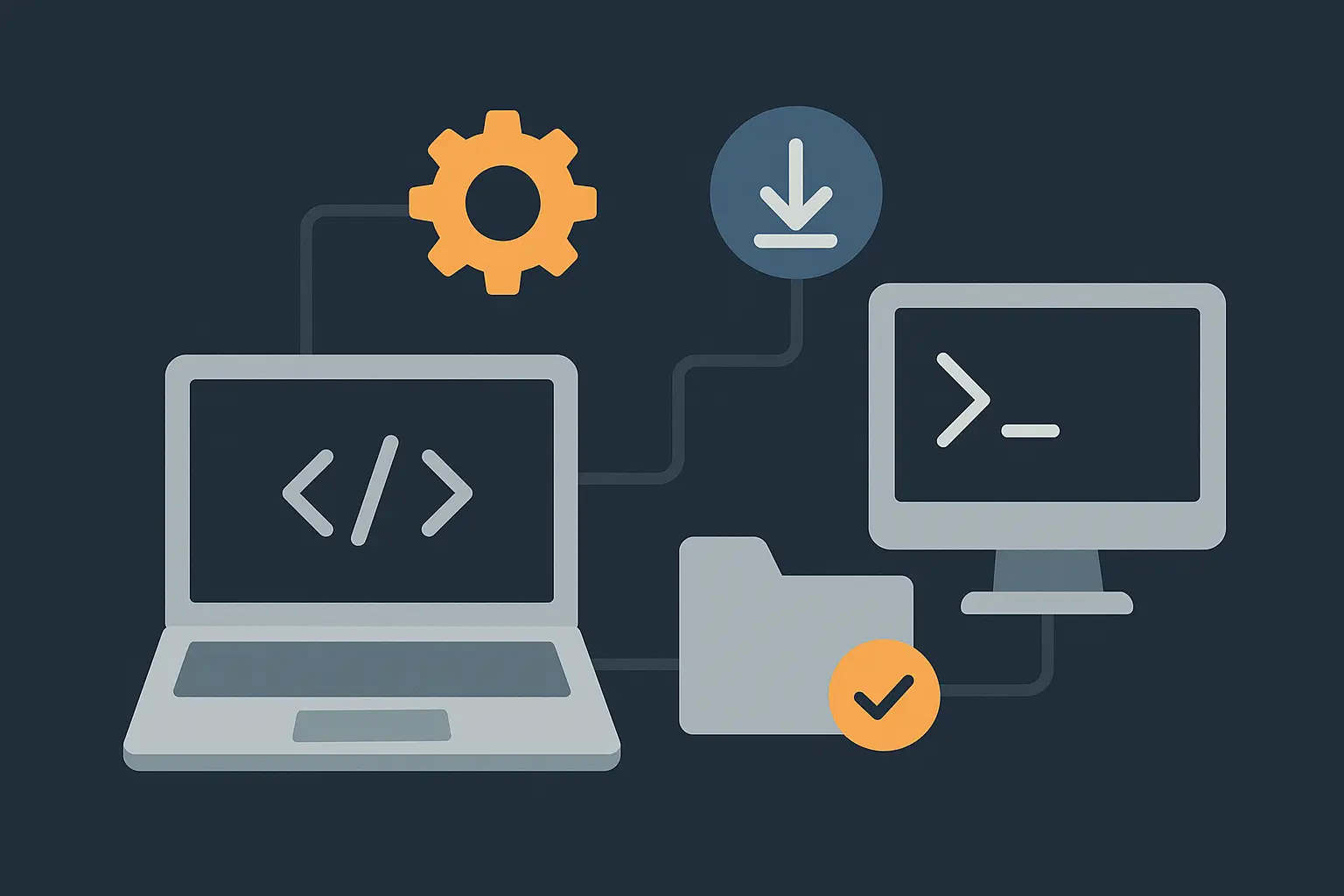
Before you write a single line of React or NestJS code, you need a robust development environment. In this guide, we’ll set up Node, pnpm, PostgreSQL, and VS Code the right way—like a professional full-stack engineer.

Explore OpenAI’s new Atlas Browser — an AI-powered web browser that integrates ChatGPT deeply into your browsing experience, changing how we search, learn, and interact online.

A complete step-by-step guide to building a responsive portfolio page using Flexbox, CSS Grid, clamp(), and container queries. Practice modern CSS techniques with real UI design.
A productive backend engineer knows how to manage migrations, environments, Dockerized databases, and workflow scripts. This post makes those skills second nature.
Your API becomes truly useful only when the frontend can rely on it. In this post, you’ll learn how to shape consistent REST contracts, shared types, and error formats for React applications.
Production backends thrive on predictable errors, structured validation, and consistent responses. In this post, you’ll learn how to build those foundations using NestJS pipes, filters, and interceptors.
This post teaches you how to design efficient, relational Prisma queries while avoiding N+1 errors, modeling relations cleanly, and thinking like a PostgreSQL-first backend engineer.
Clean REST architecture starts with controllers, services, and DTO validation. In this post, you’ll build the structure behind every API endpoint you’ll create moving forward.
This post walks you through setting up a clean NestJS backend with Prisma and PostgreSQL — the foundation for all backend work across the rest of this series.

Build a rock-solid foundation in HTML, CSS, JavaScript, and modern tooling to prepare for a professional full-stack journey using React, NestJS, and PostgreSQL.

A complete 16-part learning journey that takes you from frontend design fundamentals to advanced professional practices. Learn HTML, CSS, responsive layouts, UI components, animations, accessibility, and design systems — all through practical, step-by-step lessons and real-world examples.
Results